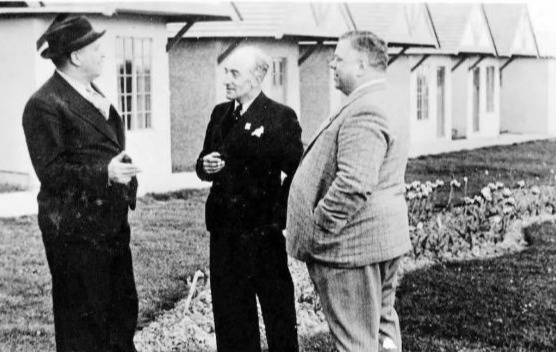
The history of Warner holiday camps is quite extensive and closely linked to that of Butlin. It all began with a distinguished figure, Captain Harry Warner, who established his presence on this site. After retiring from the Royal Artillery in 1925, Captain Harry Warner launched his venture with a restaurant.
As his restaurant thrived, Captain Harry Warner ventured into the holiday camp sector, opening his first camp in 1932 at Hayling Island. During this time, Billy Butlin collaborated with Captain Harry Warner as Warner's Holiday Camps gained popularity. Billy Butlin, intrigued by the developments, became involved with the sites.
Harry Warner and Billy Butlin shared a strong friendship, often exchanging ideas about their camps. When World War II broke out, Captain Harry Warner worked alongside Billy Butlin at Filey, AYR, and Pwhelli. Similar to Butlin's camps, Warner's locations were also utilised to aid the war effort. Evidence suggests that Warner's camps featured chalet designs akin to those at Butlin's, highlighting their close connection.
Following the founder's passing in 1964 at the age of 75, Warner's expansion continued under the leadership of his sons, Bill, John, and Alen Warner. The Warner Camps grew to eleven locations before changing ownership in 1982 to Grand Metropolitan Hotels, which maintained operations similar to those of the Warners. The ownership of Warner's camps shifted again when the Rank Organisation's holiday division integrated them alongside Oasis and Butlins. Some camps were rebranded as Haven, while others retained the Warner name or were sold off.
In 2000, the Rank Organisation sold its holiday division, which included Oasis, Butlin's, Warners, and Haven, to Bourne Leisure Limited. Additional historical details about the camps are provided below. Today, the Warner name is associated with a hotel chain owned by Bourne Leisure Limited.
In loving memory of Captain Harry Warner.
Extra Information
None of the companies listed below has approached me to make this page, I offer links to their sites as a means to say thank you for the history and the continued story telling of such an important location. They have no connection to this website or myself, this was solely made for the use of historic education.
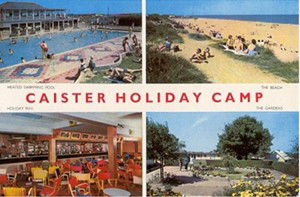
Caister Camp is among the oldest camps in the UK, having opened its doors in 1906. Initially established by John Fletcher Dodd, it was named Caister Socialist Holiday Camp. Notably, campers were required to assist with various chores while staying in tents. Over the years, John Fletcher Dodd continued to manage the camp, and by 1951, it featured chalets and huts accommodating up to eight hundred campers. The camp enforced rules such as lights out by 23:30 and no loud talking after 23:00 hours.
Campers were required to wear badges and specific clothing while on the premises. Additionally, there was a prohibition on alcohol and babies within the campsite. Unfortunately, Mr Dodd passed away in 1952 at the age of 90, yet the camp continued to thrive. However, the regulations he established, including the alcohol ban, were not upheld by the following year. In the 1970s, the campsite changed hands when the Ladbrokes Group acquired it from the previous owners.
The site saw the introduction of new accommodations, entertainment options, and bars. It was reported that the Prince of Wales visited the park annually from 1984 to 1992. Subsequently, the camp was sold to Warner camps, which later became Haven under the Rank Organisation's ownership. Today, after a century of providing entertainment to campers, it continues to operate.
Now under Bourne Leisure Limited, the camp is known as "Caister-on-Sea holiday park," featuring static caravans and deck houses. Interestingly, the deck houses bear a striking resemblance to the West Lake chalets found in Butlins Minehead. Click the button below to view an article from the Daily Mail showcasing photos of the former owner. Click the button labelled "current owners" to explore the site today on the Haven website, check out the Deck houses, and share your thoughts.
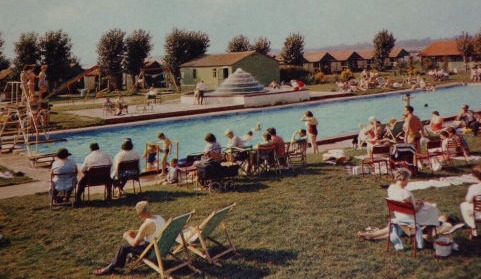
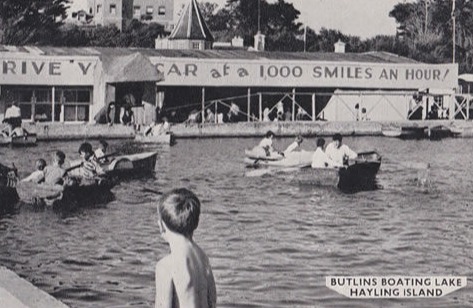
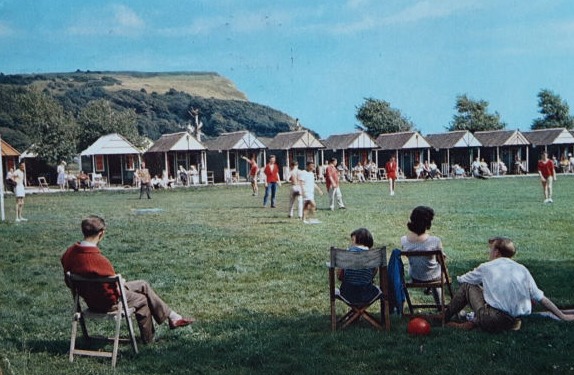
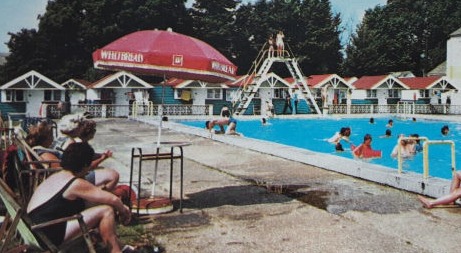
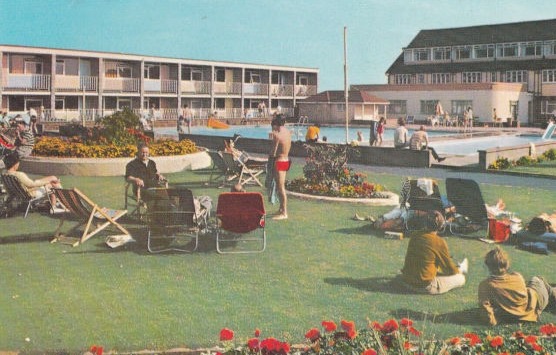
The first and oldest camp to feature the Warner logo is rich in history. As I explored the background of this camp, I was reminded of Sir Billy Butlin. For example, this image depicts the outdoor pool with its famous fountain. Although it may not be from Butlin's, the concept of its existence and Billy Butlin's involvement with Warner's certainly makes one ponder; I can recognize the connection and appreciate the importance of Warner's in this historical narrative.
Once a farm, it is reported that one of the previous barns was converted into the dining hall for campers. Wooden chalets were erected, surrounded by a fence enclosing a section of the sea to create a swimming pool. The camp was exhilarating, drawing many visitors eager to discover what was available. The swimming pool was constructed, and the temporary sea version was transformed into a boating lake.
During the Second World War, the camp was utilized to aid the war effort and was renamed HMS Northney, with various numbers assigned (for instance, Northney I, Northney II, etc.). It was during this period that the camp was expanded to house 850 guests. As the war came to a close, the camp returned to being a Warner's holiday camp.
Unfortunately, the oldest camp in Warner's history ceased operations in 1981 and was subsequently closed. Shortly thereafter, it was demolished, with part of the land now designated as a public space, while the boating lake remains in existence today.
The Milly Rythe Holiday Camp boasts a remarkable history, showcasing a significant link to the Butlin name. Click the button below to access a dedicated page that explores this camp and its importance within the Butlin's timeline.
The camp's location dates back to 1822, originally known as Puckpool House, a Swiss-style cottage constructed by Lewis Wyatt. This cottage still exists today and is recognized as a grade-listed building. In 1861, the war department acquired the site to establish the HMS Medina. The site functioned as HMS Medina until 1878, when it was sold to Major General Hon. S. J. Gough-Calthorpe.
Between 1923 and 1935, the property changed hands multiple times before being sold again to Seaton Holiday Camp (Devon) Ltd, which was part of Warner's holiday camps at that time. In 1972, the Puckpool Holiday Camp was chosen as a filming location for the movie "That'll be the Day," featuring Ringo Starr and David Essex (click the button below to purchase your copy from eBay). In the 1980s, Puckpool Holiday Camp merged with its sister camp, St. Clare Castle, adopting the new name Warner's Harcourt Sands (see below).
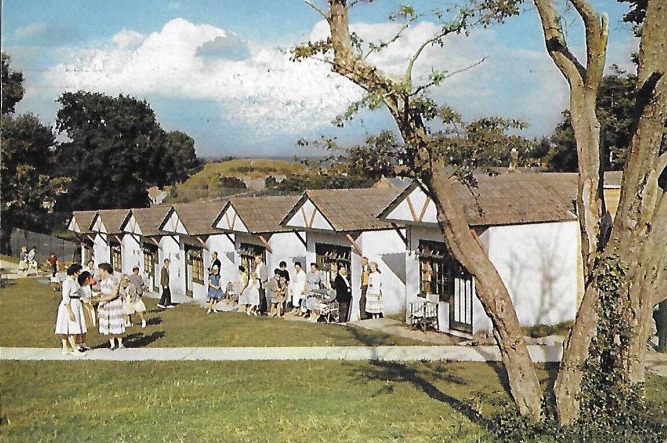
The photograph displayed is from my personal collection and is the only item I currently possess related to this remarkable location. It clearly illustrates the strong ties to the Butlin's historical timeline, showcasing the iconic chalets in all their splendid beauty.
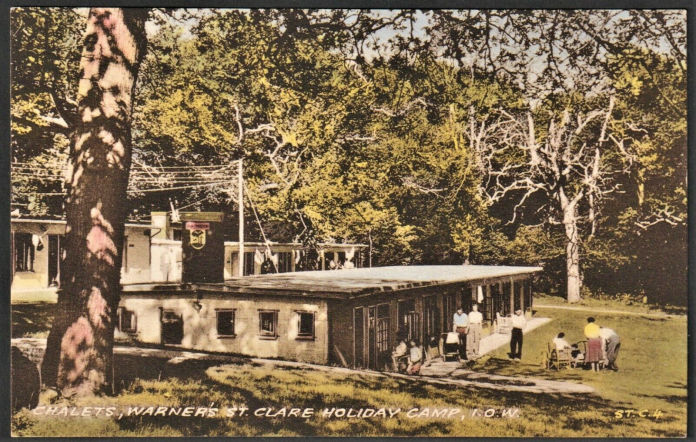
This camp's location is steeped in history, having once been referred to as St Clare Castle. Studies reveal that Queen Victoria frequented the castle on several occasions. In 1862, historical records show that Princess Alice and Prince Louis celebrated their honeymoon at this location. After World War II, significant transformations took place in this region. The estate was bought by Warner Holiday Camps, which initiated its operation as a holiday camp.
In a manner akin to Puckpool Holiday camp, St Clare's camp would combine with it to establish Harcourt Sands, as illustrated further below.
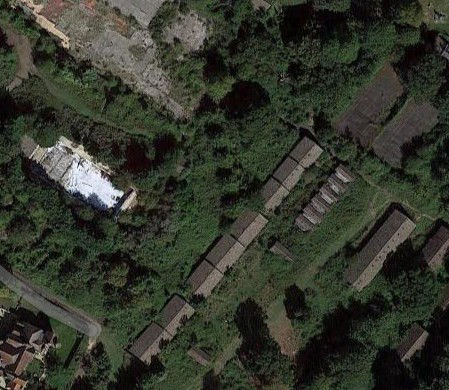
In the 1980s, Puckpool Holiday Camp and St Clare Holiday Camp merged to create a new entity named Harcourt Sands. This camp operated until it was acquired by the Rank organisation, which managed it through its holiday division. Now referred to as Haven, Harcourt Sands continued its operations until it was sold to Renowned Holidays. Unfortunately, the legacy of these two historic locations came to a close in 2006 when the gates were shut, marking the end of the camp's existence. Nevertheless, there are plans to transform the former site into residential homes; please see below for more information.
The Seaton holiday camp is a key element in the Butlins narrative, significantly influencing the evolution of Butlin's Holiday Camps. As the camp was under construction, Billy Butlin played a crucial role in its design and development. The vision for this camp was so robust that he brought in the workers who helped build it to assist with his project in Skegness.
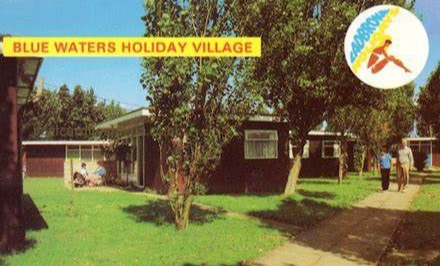
As with all other camps, the onset of World War II saw the Seaton camp utilised for military purposes, hosting the Polish and Spanish armed forces. In the 1960s, a neighbouring camp was launched by another company, called Blue Waters Holiday Village. Both camps collaborated, striving to draw in customers.
This partnership lasted until the 1980s when Warner took over the Blue Waters Holiday Village site. The camps were combined, and the area was renamed Lyme Bay.
Acquired by Ladbrooks, the camp is set to launch adjacent to the Warner's Holiday camp in Seaton. The property was bought by Warner's and will combine with the Seaton camp to create the new identity of Lyme Bay Holiday Village.
With a new identity, both Seaton and Blue Waters Holiday Village collaborated to provide their customers with the finest vacation options. In line with the Rank Organisation's plans, the site would revert to its original name, Haven Lyme Bay. Interestingly, research indicates that the location of the Blue Water Holiday Village closed earlier than Warner's establishment. This suggests that the site underwent downsizing, which is quite unusual. The Blue Waters Holiday Village section was demolished in 2008, while the Warner side continued operations until its closure and subsequent demolition in 2009.
Currently, this site, steeped in history and significant for inspiring Sir Billy Butlin to pursue his camp ventures, is now home to a Tesco supermarket. I have included a button that directs you to a website featuring additional photographs of this notable location. The site, titled "Past Remains in South West Britain," has been invaluable for my research. Although the owner of that site has not requested a link, I believe it will greatly interest those who visit my site. Image credit goes to Google Earth.
A crucial story about Dovercourt Bay was at one point nearly regarded as the second Butlins before Clacton opened its doors. Dovercourt Bay is a place that resonates deeply with me, showcasing the strong ties between Butlin's and the Warners. The noteworthy story of Major Frank Bond is also a must-read and is integral to the Butlin's timeline. A dedicated section has been included on the website, presenting further details about this significant location.
The Warners camp in Minster was established in the 1950s, designed to accommodate 700 individuals for a holiday experience. Research indicates that the camp thrived with attractions such as Crazy Golf, swimming, and entertainment in the ballroom. The Eric Delaney Band was a resident act, with their signature tune, Midnight in Moscow, serving as the cue for dancing.
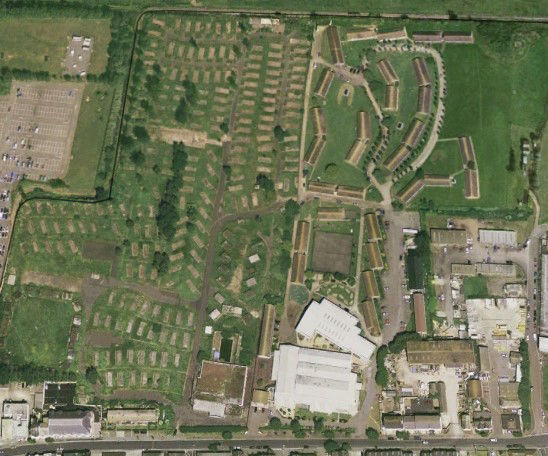
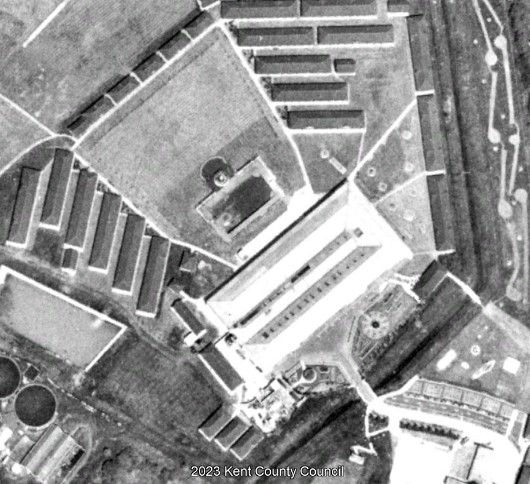
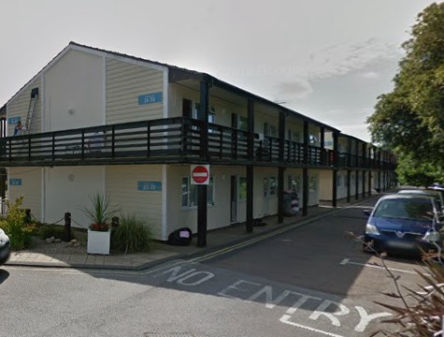
In a surprising turn of events, the camp was shut down, leaving many puzzled about the reasons behind it. This changed in 1983 when a businessman named Mike Irwin acquired the site and rebranded it as Irwin Park. All references to Warner's name were eliminated, and the park transitioned to selling chalets as permanent residences. The image is sourced from Google Earth.
This camp has a history that goes back to 1924, when W.J. Brown, who was the General Secretary of the Civil Service for the Clerical Association, initiated it. Since the association did not provide financial support for the camps, he took it upon himself to raise funds to construct and operate them as civil service camps. However, in 1946, the camps were sold to Warner's holiday camps.
The camp quickly lost its civil service designation and was renamed Warners Southleigh. In the 1960s, the camp underwent redevelopment, expanding its capacity to accommodate 700 guests. Unfortunately, this camp's history came to a close in the 1980s when it was shut down and subsequently demolished. Today, the site has been transformed into a housing estate.
In 1963, Warner Sons acquired Woodside House along with the surrounding bay area. They submitted a planning application for a new holiday camp at this site, which could accommodate up to 650 campers. Woodside House, with a history that dates back to the 1850s, was demolished and replaced by a reception area, bars, a shop, a swimming pool, and a ballroom.
In 1965, Warner's sought to expand the camp by purchasing the adjacent Underwood camp from Mrs Davies Evans. This camp featured woodlands, making it an ideal extension for Warner's camp. Approval was granted for a footbridge to be constructed over a public pathway to link the two camps. Consequently, the camp's capacity increased to 950 campers, supported by 250 staff members.
However, in 1975, complaints arose, and customers expressed significant dissatisfaction regarding the maintenance of the camps, which had begun to show signs of wear. In an effort to address these concerns, the Warners themselves intervened to resolve the issues highlighted by their customers.
By 1981, the Warners' story at this location came to an end when they sold the site to Grand Metropolitan. The new owners attempted to restore the camp to its former glory, but after just one year, it closed its gates. The camp fell victim to vandalism, leading to its disrepair. Nineteen years later, the site remained largely unchanged, with much of the former camp unrecognisable compared to its earlier years.
Plans for the site included a hotel and other developments, but these never materialised. In 2010, the site was sold, and all former holiday camp structures were removed. Today, it has been revitalised and is now known as Woodside Coastal Retreat. Below, you will find two options to review: one labelled "Not touched for 20 years" features photos of the former camp in disrepair, while the second option leads to the current owners of the site.
Following World War Two, the camp was established to provide campers with an alternative option for their holiday. It was a full board retreat owned by Ladbrokes Holidays. In 1990, ownership transitioned to become Warner's Camp. Under the Warners brand, the camp underwent immediate transformations, becoming exclusively for adults. However, it would only carry the Warner's name for a few years before being sold to Shearing Coach Holidays Ltd.
Regrettably, the camp struggled financially and was closed by 1994. Planning permission was subsequently granted for a housing development. Below is a link to a collection showcasing the former appearance of the Devon Coast Country Club, highlighting its clear connections to Butlins and Pontins in the images.
The camp's history began in 1922 when Sir Walter Blount became its owner. Situated on the site of a former aircraft factory in Middleton, it was named New City Holiday Camp. The hangars were repurposed into a dance hall, dining hall, and indoor tennis courts. After World War II, the camp's name changed with new ownership, including Southdean, The South Coast Country Club, Sussex Coast Country Club, and finally, Sussex Coast Holiday Centre.
The Dean family owned the camp for a while, maintaining a strong link to Sir Fred Pontin. The camp did not remain under the same ownership for long, as it was converted into Warner's camp and later owned by Shearings. Like the Devon Coast camp, it was closed in the 1990s, and planning permission was granted for a housing estate, which is still present today.
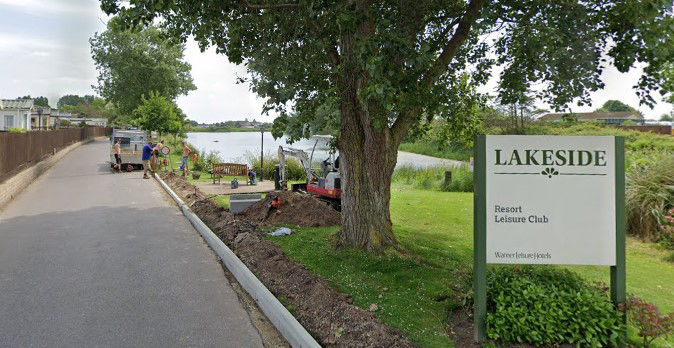
Established in 1937, this camp was initially referred to as the Coronation Holiday Camp to commemorate the ascension of King George VI. Like the other camps, it served a purpose during World War II and was designated as HMS Northney. In the 1980s, the camp underwent a name change to Lakeside Holiday Centre and was subsequently shortened to Lakeside. The Warners camp is still operational today, featuring chalets, and can be accessed by clicking the button below.
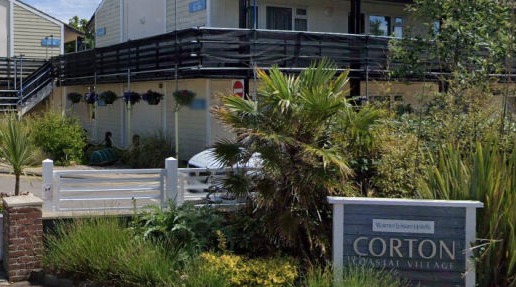
The camp's location was part of the Colman estate, renowned for producing the famous Colman's mustard. Known as the Corton Hut Public House, it was established in 1924, with Mrs George serving as the first licensee. By 1929, ownership transitioned to Charles Stokes, followed by Mrs. R. Cribbens in the 1930s. In 1946, the Warners acquired the Hut from Mr. and Mrs Jones, who were the owners during this historical period.
Currently, the Hut is situated within Warner's Corton Coastal Village, featuring bars and restaurants. The site is truly remarkable, and with assistance from Google Maps, you can view additional photos below that highlight a significant connection to Butlin's, Sir Billy Butlin, and the Warner camps.
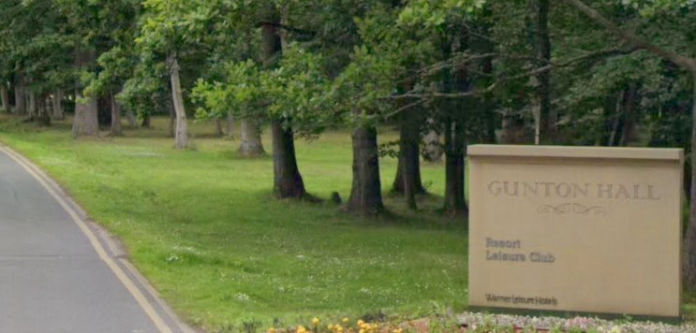
Gunton Hall, now recognised as a grade-listed building, was constructed by Sir William Harboard and designed by Matthew Brettingham in 1742. This area was referred to as the Gunton estate, owned by the Harboard family. The grounds underwent numerous transformations, including the construction of a mansion, land extensions, and a wealth of historical developments. As the land evolved, so did its reputation, achieving recognition as one of the finest estates in the country during the mid-19th century, encompassing 17,000 acres.
Warners Gunton Hall Holiday Village occupies a portion of these grounds, with the main reception being a significant aspect of the Gunton Estate's history. Additional details can be found in the reference section below. You may also visit the Warners website for further information.
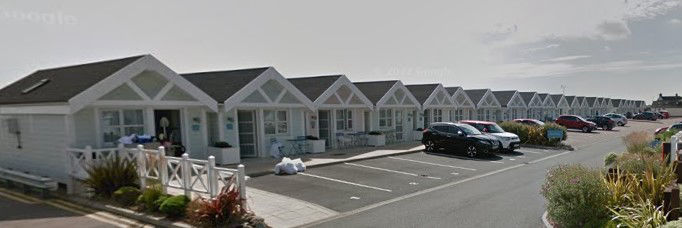
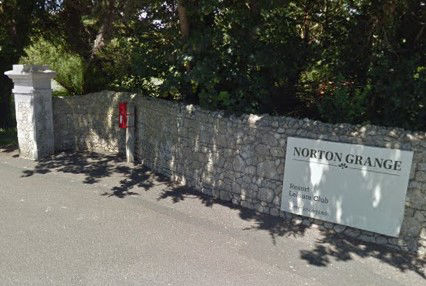
This venue was previously called Norton Lodge and has a history that dates back to 1760, when it was owned by Admiral Graham Hammond. The lodge and its property remained in the family until 1901, at which time it became the Norton Chalet Hotel, owned by the Yelland Family. The location was also utilised during World War Two and was referred to as HMS Manatee for the training of landing craft officers. In 1966, the ownership transitioned once more to Warner's, where it remains to this day.
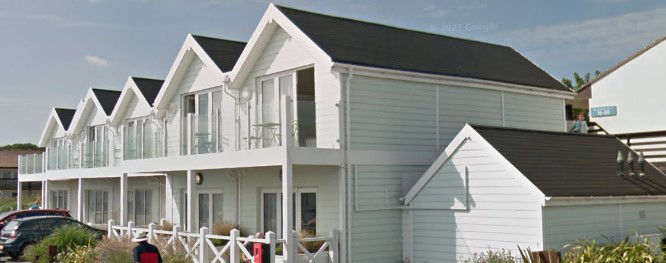
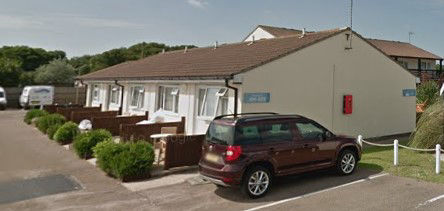
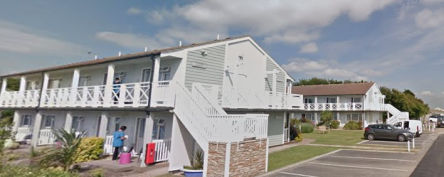
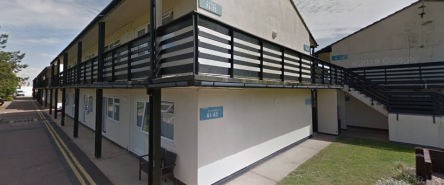
Still operating under Warner's name, the site no longer functions as a hotel, but it does provide chalets. More information can be found by clicking the button below. Image credit is given to Google Maps.
Gunton Hall
Historic England - This website shows the information about Gunton Hall listed building
Parks& Gardens - Further research into the grounds of being a part of the Harbord Family from 1676
Google Maps - For further research and use a screenshot of the resort entrance.
Seaton
Past Remains in South-West Britain - An excellent website showing some brilliant information about Seaton with photos
Seaton Town Council - Further research showing the connection to Sir Billy Butlin.
Lyme Bay
Past Remains in South-West Britain - An excellent website showing some brilliant information about Seaton with photos
Caister
Seaside History - Showing you information about more than one camp, including Caister Holiday Camp
Daily Mail - An amazing article about the camp with some great photos showing the former glory of the site.
Glen on Flickr - An amazing person who really goes into depth with the details about the camps
Woodside
Wootton Bridge Historical - Amazing details and information about the former Warners Camp
Glen on Flickr - An amazing person who really goes into depth with the details about the camps
Northney
Seaside History - Showing you information about more than one camp, including Northney Holiday Camp
Glen on Flickr - An amazing person who really goes into depth with the details about the camps
Southleigh
Glen on Flickr - An amazing person who really goes into depth with the details about the camps
Puckpool
Glen on Flickr - An amazing person who really goes into depth with the details about the camps
Historic England - Showing the Puckpool House as a grade-listed building
Ryde Architecture - Interesting further research into Puckpool location.
St Clares
Glen on Flickr - An amazing person who really goes into depth with the details about the camps
Wightpedia - Amazing information about St Clare Castle and Warners camp
Harcourt Sands
Glen on Flickr - An amazing person who really goes into depth with the details about the camps
Google Earth - Used to show the camp from a birds eye view.
Devon Coast
Glen on Flickr - An amazing person who really goes into depth with the details about the camps
Western on Flickr- Showing you some amazing photos of the former Warners camp.
Sussex Coast
Glen on Flickr - An amazing person who really goes into depth with the details about the camps
Kent Online - A very good article showing you details about the camp with photos.
Google Earth - Used to show the camp from a birds eye view.